
Jeffery Payne
Jeffery Payne

Member for
8 years 10 monthsJeffery Payne is CEO and founder of Coveros, Inc., a software company that builds secure software applications using agile methods. Since its inception in 2008, Coveros has become a market leader in secure agile principles and recognized by Inc. magazine in 2012 as one of the fastest growing private companies in the country. Prior to founding Coveros, Jeffery was chairman of the board, CEO, and co-founder of Cigital, Inc., a market leader in software security consulting. He has published more than thirty papers on software development and testing, and testified before Congress on issues of national importance, including intellectual property rights, cyber terrorism, and software quality.
All Articles by Jeffery Payne
All Stories by Jeffery Payne

|
Why Setting Priorities Is a Core Agile PracticeEvery aspect of agile includes prioritization. The most important user stories are implemented first. Testing is prioritized to make sure features valued by customers are tested the most. Even everyday tasks are prioritized during daily standups. Here are three reasons setting priorities is essential to success in agile. |

|
Fearless Refactoring, Not Reckless RefactoringFearless refactoring is the agile concept that a developer should be able to incrementally change code without worrying about breaking it. But it's not believing that you don't need a safety net to detect and correct defects quickly when changes are made—that's just reckless. Here's how to avoid reckless refactoring. |

|
Leadership in a Time of CrisisThere’s an old saying that leadership is defined by what a leader does in a crisis. The current COVID-19 situation is such a crisis for every business. Whether you lead just yourself, a team, a line of business, or an enterprise, now is the time to step up and be a leader. Here's how to do that when times are tough. |

|
DevOps in the Trenches: Get Started with MetricsDevOps initiatives often start with one silo seeking to be more collaborative with others. This "DevOps in the trenches" isn't ideal, but it is a way to get DevOps bootstrapped and begin seeing benefits. Here are some tips for how to get started doing DevOps based on what role you're in, with key metrics to help. |

|
Does Agile Have Too Many Meetings?Because agile favors lots of short meetings, it may seem like they take up a lot more time. But when you compare it to time spent meeting in the pre-agile days, it's usually actually less. However, this doesn’t mean all meetings you attend are useful. Here are a few tips for deciding if all your meetings are necessary. |

|
If Santa Can Be Agile, So Can YouTo improve his toy development lifecycle, Santa Claus had the North Pole move to an agile and DevOps approach. Santa knows it's important to accept requirements late in the process, work incrementally, deploy on time, and—above all—focus on the customer. Here’s what he found to be more effective with agile and DevOps. |

|
Tips for Getting an Agile Transformation Off the GroundMany agile transformations are doomed before they even begin. Organizations focus on the wrong things up front, resulting in a poorly planned effort that doesn’t deliver business value. Here are some tips to get things started the right way, including how to communicate well, define roles, and change your culture. |

|
Agile Tips to Make the Most of ConferencesTime spent at a conference is precious, so you should make sure there is a return on that investment. What better way than to leverage agile ideas? Here are a few tips based on the principles behind the Agile Manifesto—embrace change, collaborate with others, and more—for making the most of attending a conference. |

|
The Metrics behind High-Performing DevOps OrganizationsThe 2019 Accelerate State of DevOps report was recently released, and it gives a lot of insight into companies' software delivery and operational performance. The highest-performing organizations have several factors in common, the most crucial and prevalent being automation. Here's why automation is such a key aspect. |

|
4 DevOps Antipatterns to AvoidWhile lots of organizations are making good progress with DevOps, there are others that have fallen prey to common DevOps antipatterns. Signs usually include a slowdown or stopping of progress toward a fully collaborative organization operating at a high velocity. Here are four DevOps antipatterns to watch out for. |

|
5 Ways to Shift Performance Testing LeftPerformance testing is often a barrier to accelerating software delivery. Because you need a production-like environment, performance testing often waits until the entire application is complete. But you shouldn't wait until then to get started. You can begin testing earlier to reduce rework and address issues sooner. |

|
Is Everything Code? As modern software processes become automated, one might argue that nearly everything in software development is code. Obviously, our software applications are comprised of code, but that’s only the start of it. Our tests, delivery orchestration, and someday even our software production could be automated. |

|
Choosing the Right Tools for the JobThe saying “If all you have is a hammer, everything looks like a nail” summarizes a cognitive bias we have to use tools that are most familiar to us, even if they are the wrong tools for the job. Software professionals often fall into this trap. Here are some tips on how to choose the right tools for your projects. |

|
Continuous Security in Agile Development"Continuous" gets mentioned a lot in agile and DevOps, but one area that often doesn’t get enough attention is how to continuously build, test, and deliver secure applications. Just like for quality, you can’t test security in, so you need to have a plan for how to build it in. Here are some tips on how to do that. |

|
What Is Continuous Testing All About?Continuous testing started when DevOps got hot as organizations began trying to figure out how to make everything in the software delivery process more continuous and testers felt they were being left out of the DevOps movement. If you want to get started with continuous testing, here are three things you should know. |

|
The Challenges with Open Source SoftwareUsing open source software is all the rage these days, and for good reason. Often teams don’t have the budget to purchase commercial tools, and without an open source solution, their productivity suffers. But open source is not a panacea. There are some challenges that can hit you hard if you aren’t careful. |

|
2 Good Practices Agile Says You Don’t NeedThere are lots of good practices that people will tell you aren’t agile. Usually this comes from people who read a book on Scrum or Extreme Programming and took it literally. But agile is not methods and tools associated with a particular methodology; as long as you follow the agile principles, anything is fair game. |
|
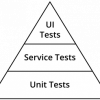
5 Reasons You Should Have More Unit TestsThe test pyramid is a valuable visual in agile. In particular, it argues that unit tests should make up the majority of tests, and while agile teams recite this principle, it is often not clear why it is so important. Here are five reasons unit tests should make up the majority of tests written for an application. |

|
You Can’t Rush Agile ChangeToo often, organizations try to rush agile change. It is usually because they want to see the business benefits of agile as quickly as possible. Unfortunately, change doesn’t work like that—you can’t rush it. In fact, trying to change too fast often results in no change at all. Here are some examples to avoid. |

|
Creating a Company Culture Where Agile Will ThriveA so-called generative culture has all the characteristics necessary to support self-directed teams, shared responsibility, experimentation, and continuous process improvement. But what about the rest of us? Most large organizations don't have a culture where agile will take hold so easily. Here's what needs to change. |

|
DevOps and Security: 5 Principles for DevSecOpsWith the trend toward a more continuous delivery and deployment process, late-lifecycle activities like security assurance present a significant hurdle to continuously delivering value to customers. DevSecOps addresses this by shifting security assurance activities, personnel, and automation closer to development. |

|
3 Mistakes Teams Make When Choosing a ScrumMasterOne cause of agile project failure is choosing the wrong person as your ScrumMaster. While a bad ScrumMaster is a problem for any team, it is particularly bad for teams new to agile, as the team won’t know they are being led down the wrong path. Here are three mistakes organizations make when choosing a ScrumMaster. |

|
3 Telltale Signs You’re Scaling Agile Too QuicklyWhen an organization grows quickly, it puts stress on people, processes, and customers. Burnout happens, things fall through the cracks, and defects creep in. Unfortunately, many organizations try to scale agile too quickly, and that often leads to failure. Here are three of the telltale signs you're scaling too fast. |

|
The Role of the Test Manager in AgileIn traditional software processes, test managers are responsible for all management aspects of their team. Agile, however, is self-directed, so teams handle all the usual duties. Still, there is a role for test managers in agile, and it’s much more strategic than it was before. Here are the opportunities for the role. |

|
3 Must-Read Books for a Good Agile FoundationIf you are searching for agile knowledge, there are many books outside the current literature that may enlighten you. Some discuss the underpinnings of concepts we consider agile, while others are contemporary business books that present compelling ways to use agile effectively. Here are three Jeff Payne recommends. |

|
The Dangers of Underplanning in Your Agile ProjectsAgile coaches often stress the importance of not overplanning because work is later changed or never done at all. But consequently, many teams then fall victim to underplanning and aren't equipped for a successful project. Here are some planning activities that are critical to do before your sprints start. |

|
Why Does Everyone Pick on Agile?People in the software development community often declare that agile is dead and they have a new approach. But much of what is proposed as a “better agile” is usually just a reorganization, rewording, or clarification of the existing agile principles. Jeff Payne argues for keeping agile together as one movement. |

|
The Relationship between Agile and DevOpsMany are touting DevOps as something new and different—just like agile before it. DevOps fixes an age-old conflict between software development and operational teams, but it’s not new. In fact, the DevOps philosophy is ingrained within the Agile Manifesto. So why is DevOps viewed as something different from agile? |

|
5 Tips for Choosing Your First Agile ProjectWhen transitioning to agile, applying agile methods to a single project is a great way to get started. However, care must be taken to ensure the project you choose is appropriate—it shouldn't be too large, take too long, or be too risky. Here are five tips to help you pick the right project for your agile pilot. |

|
Why Frequently Delivering Working Software Is Crucial to AgileWhile completing documentation is often an indication that some progress has been made, until software has been implemented, tested, and approved by a customer, the amount of progress cannot be measured. Here are some common reasons agile teams fail to frequently deliver working software—and how to avoid them. |

|
5 Tips for Balancing Manual and Automated Software TestingBoth manual and automated testing are usually necessary to deliver a quality product. We must balance our manual and automated testing activities to achieve both the deployment speed and software quality our customers demand. While there is no one answer for how to do this, here are five tips that can be helpful. |

|
Growing Generalized Specialists on an Agile TeamA generalized specialist is not a jack of all trades. It is an individual with deep knowledge in a particular specialization who also has learned to be productive in other team roles. Here are some tips on how to grow generalized specialists on your team in order to maximize your team's productivity potential. |

|
Avoiding Continuous Bugs: Speed and Quality in DevOpsLots of DevOps initiatives focus on speed and frequency of deployment without an emphasis on quality. Bad testing practices in DevOps only deploys buggy software faster. Here are some tips to move toward a more effective testing process that supports a continuous delivery approach—without sacrificing quality. |

|
5 Tips for Making the Most of Your Agile MeetingsPeople think agile entails too many meetings, but usually that complaint has nothing to do with the number of meetings, but rather the way they're run. New agile teams often do everything together because they think that’s what agile expects, but that's not true. Here are five tips to better run your agile meetings. |