
Pamela Rentz
Pamela Rentz

Member for
14 years 2 months
All Articles by Pamela Rentz
All Stories by Pamela Rentz
|
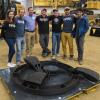
Down-to-Earth Benefits from NASA's 3D-Printed Habitat ChallengeTo advance the technology needed to create sustainable housing solutions for trips to the moon, Mars, and beyond, as well as here on Earth, NASA is conducting the 3D-Printed Habitat Challenge. Teams compete to construct dwellings out of local, indigenous, or recyclable materials, and designs are out of this world. |

|
Attention, Word Nerds: We’ve Got New Dictionary EntriesMerriam-Webster just added 640 new words to its dictionary, in addition to the more than 840 entries added in September. While you're learning new language, check out the Sideways Dictionary, a crowd-sourced collection of definitions. There are a lot of software terms there, so see how people define "agile" and "VPN." |
|
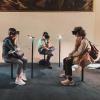
What’s Next for Virtual Reality?When most of us think of virtual reality, what comes to mind is fitting on a headset to experience a computer-generated simulation of a three-dimensional environment. However, the recent TED conference had a different “shared immersive reality” experience that doesn’t require headgear. Here's what's new with VR tech. |

|
Unblocking Writer’s BlockBeing unable to think of what to write can happen to anyone. Maybe your assignment is to contribute a blog post for the company website, draft a white paper, or produce design documents or other materials. What do you do? Here are some helpful suggestions for unblocking writer's block and getting started. |
|
FDA Explores Review Framework for AI-Based Medical DevicesAs more medical devices are developed that employ artificial intelligence and machine learning software that can learn from real-world feedback and adaptation, the FDA announced it is taking steps to explore a new medical device regulatory framework. The goal is creating safe, beneficial, innovative medical products. |

|
Using AI to Protect the Earth’s SpeciesIn addition to the many ways artificial intelligence and machine learning technologies are changing our everyday life, can they also help save our world? To safeguard the lives of millions of species in our world today, the campaign for Earth Day 2019 is “Protect Our Species,” and AI is already having an impact. |

|
Aurora to Bring the Dawn of the Exascale Supercomputer It’s fitting that the first exascale supercomputer in the United States—with a performance of one exaflop, or a quintillion calculations per second—will have the name “Aurora,” the mythical Roman goddess of the dawn. After all, it’s the dawn of a new era in high-performance computing. |

|
NSA Adds to Open Source Tools and Tech Transfer Program The National Security Agency recently released several of the agency’s software tools as open source and added new technologies to the NSA technology transfer program patent portfolio that are ready for licensing. Could leveraging any of these technologies help your efforts? |
|
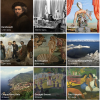
Explore Inventions throughout History with Google Arts & Culture’s CollectionThe latest Google Arts & Culture project, Once Upon a Try, is an interactive experience delving into millennia of human inventions and achievements. With more than four hundred collections from CERN, NASA, and over a hundred museums around the world, it’s the largest online exhibition of discoveries ever created. |

|
Surviving the Invasive Plants Apocalypse with Citizen Science AppsThere are more than 6,500 invasive plant species in the US that threaten native flora and fauna. Mobile apps can be tools that let citizen scientists help researchers collect data on invasive plants. Here's a roundup of apps that let you track these species by collecting photos, coordinates, and sighting information. |

|
Developing Artificial Intelligence Systems for Dynamic Environments From navigating unfamiliar terrain and dangerous weather conditions to working in risky situations, AI could be of enormous aid to first responders and the military if AI systems could react appropriately when something significant and unexpected occurs, without needing to be retrained on a large data set. |

|
Saving Birdsong: Using Machine Learning to Monitor Kiwi Birds and Possums In an attempt to turn birdsong and predator monitoring into data that can help improve pest trapping ability, the Cacophony Project is an open-source conservation project employing technologies such as embedded systems, web applications, backend services, and machine learning pipelines. |

|
Before Rolling Out Products, Walk a Mile in Their Shoes Beyond focus groups and surveys, different paths lead to uncovering ways to delight your customers. It is important to recognize the problems, challenges, wants, and needs of people. “Before you criticize someone, walk a mile in their shoes” is also good advice for rolling out products. |

|
Raspberry Pi's Latest Compute Module: CM3+ They say all good things eventually come to an end. The Raspberry Pi Foundation announced the latest and last iteration of the Raspberry Pi Compute Module series: Compute Module 3+ (CM3+), designed for industrial applications and digital makers. |
|
Girl Scout Cookie Sales Help Fund STEM Badges, Including Cybersecurity and Programming It's officially Girl Scout cookie season, and that means you’re doing a good thing when you buy those boxes of cookies. The Girl Scouts offer science- and technology-related badges and journeys to introduce girls to computer science, robotics, mechanical engineering, space exploration, and cybersecurity. |
|
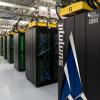
World’s Fastest Supercomputer Summit Is Ready Acceptance testing is complete, and selected users are starting to tackle the most complex of science problems on the 200-petaflop IBM AC922 Summit supercomputer. Summit enables scientists to explore new territory and uncover insights by applying artificial intelligence algorithms. |

|
OWASP Releases Latest Top 10 IoT Vulnerabilities The growing list of internet-connected devices bring amazing benefits, but the sharing of valuable information that brings this convenience also brings security concerns. The Open Web Application Security Project has released its Top 10 Internet of Things 2018 list of the highest-priority issues. |

|
Fuel Your Force This Year with Help from Star Wars Embarking on yet another New Year’s program to transform your life? How about following the way of the Jedi to find your inner Force instead? The Star Wars Fuel Your Force program is about finding strength and balance in your life by taking inspiration from the Star Wars galaxy. |
|
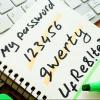
Better Check This List: Worst Passwords of 2018 We’ve embraced the IoT in our everyday lives, yet with so many connection points, there’s a risky habit too many of us still need to break—using weak passwords. SplashData evaluated more than five million passwords leaked online during the previous year and compiled the top worst passwords for 2018. |

|
FDA’s New Digital Health Report To update health care providers, patients, and developers about some of the risks and benefits surrounding software products, the FDA released a report based on impact to patient safety, health benefits and risks, and best practices. |
|
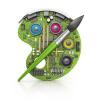
Why State-of-the-Art Technology Needs Art and Tech There’s a longstanding, often passionate debate about art versus design and what separates the two. Now, many advocate that technology presents yet another creative medium, and silos are being torn down as art, design, and technology are increasingly entwined. |

|
Stressed? Why NIH Says Puppy Cams Are Your Best Friend Who among us doesn't need stress reduction techniques from time to time? Especially ideas that actually work. The National Institutes of Health (NIH) recently channeled a puppy cam to call attention to the importance of recognizing stress in our everyday lives. |
|
2018 Hour of Code: Let’s Dance What kid doesn’t love a dance party? With aliens and sharks that drop, double down, and dab? Introduce kids to the basics of computer science in a way that doesn’t elicit “I’m boooored” with Dance Party, the draw for the 2018 Hour of Code. Do a little dance, make a little code! |

|
Is It Time to Stand Up for the Web? Does the Web need fixing? Widely acknowledged as the creator of the World Wide Web back in 1994 and the current Director of the World Wide Web Consortium on web standards, Tim Berners-Lee launched #ForTheWeb to help resolve what the organization views as current risks and future challenges. |

|
Crowdsourcing Emerging Manufacturing and Water Security Technology Borrowing from the successful NASA Challenges playbook, the US Department of Energy recently launched several crowdsourcing efforts to incentivize new applications and technologies in additive manufacturing, also known as 3D printing, and transforming nontraditional water sources into resources. |

|
FDA Updates Cybersecurity Recommendations for Medical Devices Because of the rapidly evolving nature of cybersecurity threats and risks, the U.S. Food and Drug Administration recently released a draft of updated premarket cybersecurity recommendations on how device manufacturers can better protect their products and proactively address security. |
|
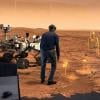
The New Reality of Mixed Reality Want to play with a porg? Walk on Mars? Or help those with autism practice social skills? Welcome to the new reality of mixed reality, where digital and physical objects coexist and interact to provide a new medium that a variety of organizations see as full of potential. |

|
What’s a Tree Worth? Ask I-Tree What’s your favorite part of autumn? Football games and Pumpkin Spice Lattes are back and #fallcolors2018 is underway. And for leaf peepers with inquiring minds who want to know about the measurable benefits of the amazing trees all around us, the USDA Forest Service has a useful app for you: I-Tree. |

|
NIST Launches Group to Bring Quantum Computing Closer to Reality The buzz around quantum computers has been around for a while, but many feel that for long-term success, a road map is required. A new consortium focused on quantum information science and engineering will be led by the US Department of Commerce’s National Institute of Standards and Technology (NIST). |

|
Serious Gaming: Building Better Communities Playing Minecraft Who says playing video games is a waste of time? Surely not the adults and kids around the world who are “playing” Minecraft and building 3D models of safer and more livable public spaces and communities in collaboration with Block by Block and UN-Habitat. |
|
Yes, She Can STEM—and More Many girls begin losing interest in STEM subjects as early as middle school, and this path continues. #SheCanSTEM is a new public service media campaign that hopes to encourage middle school girls to ultimately pursue STEM careers by challenging stereotypes and showcasing female STEM role models. |
|
AI R&D: DARPA Investing $2 Billion in Contextual Reasoning In the view of the Pentagon’s Defense Advanced Research Projects Agency (DARPA), a government agency that has contributed heavily to AI research in the past, AI’s programmed ability to process information is still much too limited. What AI needs is contextual reasoning capabilities. |
|
Real-Time Bird Migration Algorithms for Live Tweeting New maps on the Cornell Lab of Ornithology’s BirdCast website let you track migratory birds in near real time, as well as forecast avian migration up to three days ahead. Pamela Rentz looks at why the when, where, and how far birds will migrate is important. |

|
Notable Challenges: NASA, LEGOs, and YouTubers Did you ever say to yourself, "What a brilliant idea! How did they come up with that?" One school of thought holds that the best "aha" moments take place when someone’s alone. However, another theory—shared by organizations such as NASA and LEGO—is that a problem shared is a problem solved. |

|
Stay in School: Lifelong Creative Learning In our always-connected world, continuous learning is a given. Ongoing professional development is imperative in technology careers, yet learning something new in other fields is also good for your career, your health, and your life. So whether it’s for professional or personal reasons, stay in school. |

|
Monarch Butterfly Flight Inspires Micro Air Vehicles Studying the biomechanics of the amazing flight of the monarch butterfly will enhance national security. At least that’s the goal of research about the possibilities of long-range micro air vehicles with enhanced flight efficiency and superior flight range inspired by monarch butterflies. |

|
NASA’s New Online Remote Sensing Toolkit Helps Spinoff Technologies Although the scientific community and other government agencies and nonprofit organizations have benefited from NASA’s policy of free and open remote-sensing data, the potential for commercial use has remained largely untapped. NASA’s Technology Transfer program hopes to change that. |

|
Georgia Tech IoT Study: Takeaways for Smart Cities The internet of things has sky-high expectations, and smart cities, where devices connect across public and private sectors, is one of the drivers fueling the fervor. But there are also skeptics saying the IoT is slow to materialize, which poses questions about risks surrounding cyber security and privacy. |

|
May the Forest Be with You: A New GEDI Laser Is Coming There’s a new laser device coming to the galaxy this fall that will be good for the forests here on Earth. NASA’s Global Ecosystem Dynamics Investigation Lidar (GEDI) will be the first space-borne laser designed to map the world's forests in 3-D to help us study and understand forest changes. |

|
America’s New Supercomputer Summit Is Built for AI and Advanced Research Built for artificial intelligence and high performance computing, the new supercomputer Summit will provide researchers and others with the incredible computing power to solve problems in human health, high-energy physics, climate science, advanced materials discovery, and other areas. |
|
FDA Reviewing Guidelines for AI and Health Care Artificial intelligence is projected to revolutionize health care and make high-quality medical treatment more accessible and affordable. While 3D-printed donor organs may still be on the horizon, AI tools to detect strokes, diagnose diabetic retinopathy, and help identify wrist fractures are already here. |

|
Relax This Summer and Be a Maker For many, it's time for a much-needed break with a summer vacation at the beach, listening to the ocean waves with toes in the sand. But numerous studies show it’s important to take time to find a way to destress on a regular basis. If doing nothing isn't your cup of tea, Pamela Rentz has some project ideas. |
|
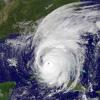
Hurricane Season 2018: Enhanced Forecasting and More Prep Time The 2017 Atlantic hurricane season saw three devastating major hurricanes. Like any team after a release that conducts reviews to see how they can improve, the National Hurricane Center found ways to enhance future communication to the public regarding where a tropical storm is headed and the potential impact. |
|
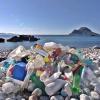
Celebrate Earth Day 2018: How You Can Help Reduce Plastic Pollution Since plastics can’t efficiently be recycled as yet, it’s time to focus on reducing our own level of plastic consumption, both as individuals and businesses. How can we help? The End Plastic Pollution campaign for Earth Day 2018 encourages all of us to do our part to reduce our plastic pollution footprint. |

|
Wordie Update: Merriam-Webster Adds 850 New Words The Merriam-Webster dictionary blog noted they recently added 850 new words and definitions that come from a cross-section of our linguistic culture. It’s good to know that some of the words we’re seeing in the headlines are now being included. |
|
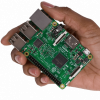
The RasPi Pipeline Delivers Raspberry Pi 3 Model B+ Did you get anything special for Pi Day this year, besides the obligatory pie? Once again on March 14, Raspberry Pi Founder and CEO Eben Upton announced that the next evolutionary step in the RasPi pipeline, the new Raspberry Pi 3 Model B+, is now available. |
|
Artificial Intelligence and Health Care: Predicting Patient Deterioration As part of a medical research partnership with the US Department of Veterans Affairs, the team of scientists and engineers at DeepMind, the artificial intelligence group at Alphabet (Google’s parent company), will work on the global issue of patient deterioration during hospital care. |

|
Technology, Corporate Trees, and Employees: The Triple Win Employees who work in environments with trees nearby have been scientifically proven to be at least 50 percent more productive, happier, and better-looking than average. OK, that may be an exaggeration, but there is growing evidence that trees meet the needs of people, the environment, and businesses. |

|
Is Your Child Meeting Development Milestones? The CDC Has an App for That There are apps that track everything from your fitness goals and calories consumed to the whereabouts of your spouse. However, if you have a young child from age 2 months to 5 years in your life, the free CDC Milestone Tracker is a pretty good mobile app for tracking your child’s development. |

|
Art Appreciation 3.0: Google Arts & Culture Selfies and AI Were your social media feeds recently flooded with selfies of your friends and contacts, matching themselves to portraits found in museum collections around the world? If you didn’t catch on to what was happening, the #GoogleArts app gave a new twist to the world trending #MuseumSelfie Day. |

|
What Are the Worst Passwords of 2017? The more things change, the more they stay the same. For the fourth straight year, the top spots in the annual worst passwords of the year list issued by password management company SplashData are unchanged. People apparently still use “123456” and “password.” |

|
Expanding AI for Earth in 2018 In an ambitious undertaking, Microsoft is pledging $50 million over the next five years to expand Microsoft’s AI for Earth program and put artificial intelligence technology in the hands of individuals and organizations around the world who are working to protect our planet. |

|
Growing Security Intelligence: DARPA Proposes Plants as Sensors The new Advanced Plant Technologies program established by DARPA, the Defense Advanced Research Projects Agency, will explore ways to use plants' natural responsiveness to their environment as a military sensor to detect and report on the presence of threats such as explosive devices or radioactivity. |
|
Google: How Online Accounts Are Hijacked Hijacking accounts is one of the top online security threats, with billions of usernames and passwords from different platforms available on black markets. To understand how hijackers steal passwords and other sensitive data, Google partnered with UC Berkeley in a study of Google accounts. |

|
Yes, Daydreamers Are Smarter Did a teacher ever call you out for daydreaming? Did your boss? Turns out, you’re not a slacker after all. According to a brain study conducted by the Georgia Institute of Technology, you’re smart, creative, and your mind wanders because you may have extra brain capacity. |

|
Lessons from the CIA’s K9 Training Program Do you want to improve your internal training programs or perhaps update your skills via e-learning? You can pick up some valuable clues from the CIA’s K9 explosive detection training program. Pamela Rentz highlights some of the CIA’s top training tips that work for humans as well as canines. |

|
FDA Pilots Program to Pre-Certify Digital Health Software As healthcare undergoes a digital transformation, how can the traditional regulatory process keep pace? The FDA recently announced the initial participants in a pilot program that will pre-certify digital health tech companies that meet quality standards for software design, validation, and maintenance. |

|
Cyber Surfing and Child Safety Cyber threats and security breaches are not going away any time soon, unfortunately. In fact, many of us are now taking online security practices more seriously. With the surfeit of digital entertainment options available today, it’s time to get kids in the habit of practicing cyber safety as well. |

|
Robots and Origami: Designing and 3D Printing Foldable Robots Origami is no longer limited to folding a sheet of paper into a crane. Now there’s Interactive Robogami, a new system under development from researchers at MIT that gives those of us who are neither a roboticist nor a mechanical engineer the tools to design our own robots. |

|
Citizen Scientist Project: Saving Trees with Apps Our forests struggle with invasive species and pests, yet some trees still survive. Why? To find out, scientists need resilient trees to study, and that’s where technology and citizen scientists can contribute—with TreeSnap, a free mobile app that enables everyday people to tag trees that scientists can study. |

|
The Disney Research Mixed Reality Bench Is More Than Magic Disney Research's Magic Bench, which previewed at SIGGRAPH 2017, demonstrates the magical possibilities of mixed reality by combining physical space—a bench—with virtual space, allowing a single user or a group to share the same experience and see, hear, and feel animated characters. |
|
Google and Microsoft Expand Artificial Intelligence Research Artificial intelligence (AI) is getting smarter, but there’s still a lot to learn about this growing field. To that end, several tech giants recently announced programs to help take AI and machine learning from the nascent stage of development to solving sophisticated challenges across virtually every industry. |

|
Can the IoT Help Save the Bees? More than one-third of all crops in the US require insect pollination, and managed honey bee colonies are our main resource. According to the US Department of Agriculture, beekeepers have been steadily losing colonies, but the IoT may be able to help with some interesting projects. |
|
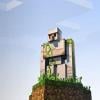
Building Collaborative AI by Catching Minecraft Pigs For artificial intelligence (AI) to become useful in our everyday lives, AI must have the ability to work with other agents and humans in order to function in complex environments. At Microsoft, one AI research approach involves creepers, endermen, zombies, skeletons, Iron Golems and, yes, those pigs. |

|
Wonder Woman and Google Get Girls Coding This Summer To help ensure that today’s Wonder Girls (and guys) have coding superpowers that will help them in the future, Google announced the company has joined forces with Warner Bros. Pictures to release a new interactive coding project via Made with Code. |

|
Training and Tomorrow’s Jobs Reports vary in predictions about what parts of the workforce will be most affected by automation. How far-fetched is the idea that significant numbers of technology jobs will become irrelevant? How can training and education programs better prepare us for the future? |
|
Fighting Fake News Is this news story true or is it merely the product of someone’s imagination? While sometimes it’s easy to tell, many people have been fooled by fake news. As part of an effort to mitigate the trending “fake news” phenomena, Google recently announced the latest improvements for Google Search. |

|
The Last Jedi? Some Words of Wisdom "I only know one truth: It's time for the Jedi to end." That’s the bomb Luke Skywalker dropped in the first trailer for Star Wars: The Last Jedi. Pamela Rentz highlights some of the wisdom of the Jedi to keep The Force strong in the workplace and our lives. |

|
Disney Virtual Reality Makes Magic Disney is where the magic happens, and one of the projects Disney Research scientists are working on that will wow visitors at the Magic Kingdom one day is technology that makes virtual reality more dynamic. For example, what about merging virtual reality with the physical world? |
|
Sideways: A Tech Dictionary for Everyone The Sideways Dictionary is a cool new resource to bookmark. Sideways is like a dictionary, but it's way more interesting. Created by Google’s technology incubator Jigsaw, it uses analogies and metaphors, instead of dry definitions, to explain techno-jargon. |

|
NASA Code Available for Down-to-Earth Apps The 2017–2018 NASA catalog has hundreds of free, downloadable software codes in categories ranging from aeronautics and autonomous systems to environmental science and vehicle management. |
|
Tips and Resources for Better Writing If you’re asked to contribute to your company’s e-newsletter or draft a blog post for the website or a design document, here are a few writing tips and resources you may find helpful. |
|
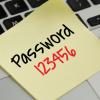
Are Your Passwords on This List? Some things never change and, unfortunately, picking bad passwords that put you at risk of identity theft seems to be among them. The 2016 Worst Passwords List has been released by SplashData, the password management company that releases the annual list of the worst of the worst passwords. |

|
Google’s Toontastic 3D App Is Funtastic Google's Toontastic 3D app lets anyone create 3D cartoons. Select from dozens of characters, customize them, or draw your own. Then simply move them around on a screen and animate and narrate your own cartoons. Create shows, stories, reports, family photo albums, or presentations. |

|
IoT and Security: The FTC Will Pay $25,000 for Your Solution With the goal of making IoT devices more secure, the U.S. Federal Trade Commission has announced the IoT Home Inspector Challenge. The contest calls for a technical solution or tool that consumers can deploy to guard against security vulnerabilities in software on the IoT devices in their homes. |
|
Help DARPA Control an Army of Drones To help overcome military challenges posed in difficult urban environments, DARPA has launched its new OFFensive Swarm-Enabled Tactics program. The goal of OFFSET is to provide help to small-unit combat forces operating in urban environments with drones capable of swarming, and you can help. |
|
Google’s Open Source Santa Tracker Ready for Liftoff Would you like to update your holiday traditions with one that’s actually pretty simple and fun? Google's Santa Tracker lets you follow Santa and his sled around the world with Google Maps when he takes off on December 24, via desktop web, mobile web, Android app, Android TV app, and Chromecast. |

|
Sensors and Spinach: When Plants Detect Bombs Fitness trackers, cars, and refrigerators are embedded with sensors to inform us about our health, where we’re going, and maybe one day, let us know that we’re running out of milk. But what could embedded spinach leaves accomplish? For one thing, send an alert to the presence of explosives. |

|
Artificial Intelligence Needs Best Practices Many predict artificial intelligence will someday cure cancer, clean up our environment, drastically improve our cities, and send us to Mars. However, with the potential benefits come risk and concern about what exactly are artificial intelligence best practices and a need for guidelines. |

|
Be a Habitat Maker for NASA and Win $1.1 Million A trip to the Red Planet will eventually require shelter, and NASA is offering $1.1 million in prize money as part of the 3D-Printed Habitat Challenge for new ways to create sustainable housing solutions where future space explorers can live and work. |

|
Know a Girl Who Wants to Change the World w/ Code? To inspire more young women to pursue careers in STEM, every year Technovation invites girls from around the world to solve real-world problems through technology. In partnership with Google's Made w/ Code and UN Women, the Technovation Challenge 2017 has set some lofty goals. |

|
Can Cryptocurrency Bring Positive Change? Do you think cryptocurrency is the future of money? Will digital money that isn't run by any government or bank ever become trusted enough to use in our everyday lives? MIT is one institution that seems to think so. |

|
Z-Wave Open Sourced for Smart Home Applications Interested in adding network-connected thermostats, refrigerators, lighting, or security devices in your home? A portion of the most widely deployed wireless communications protocol in home automation has become available as open source, which may mean broadening availability of smart home technology. |

|
Government’s Federal Source Code Policy Mandates 20 Percent Open Source In an attempt to reduce duplicating government IT and software resources, the US federal government recently announced the “Federal Source Code” policy, which requires new custom-developed source code used by federal agencies to be made available for sharing and reuse government-wide. |

|
Google’s Arts & Culture App Brings the Art World to Your Phone The online cultural world launched in 2012 by Google has steadily expanded, and now the Google Cultural Institute and its growing list of partner organizations offer up even more artwork, interesting artifacts, and content from more than 1000 museums, archives, and organizations via website and app. |

|
Creating Innovation: Four Tips from DARPA Companies say they want to build a culture of innovation, but saying and actually doing are two different things. Those that are serious should take note of the recently released innovation blueprint developed by the ecosystem at the Pentagon’s Defense Advanced Research Projects Agency. |

|
Dr. Google’s Symptom Search Always consult a doctor for medical advice. Well yes, but for many of us, that’s after we first do an Internet search for our symptoms. Google recognizes this reality and is attempting to make web-surfing symptoms more accurate, with more helpful (and appropriate) listings served up. |
|
Hurricane Season 2016: Luna and Surge Are Ready The 2016 hurricane season is upon us and NOAA, the U.S. National Oceanic and Atmospheric Administration, has more than tripled computing forecasting capacity thanks to two new Cray supercomputers the agency calls “Luna” and “Surge”. |
|
Get Ready for a Summer of Making Dream it. Design it. Make it. It’s the Makers’ mantra—and the official "National Week of Making" that takes place June 17–23 kicks off a summer of tinkering with 3D printers, laser cutters, open source design software, and Internet instructions and videos. |

|
NASA Patents and Searchable Database Inspires Spinoff Technology NASA's Technology Transfer Program periodically releases formerly patented technologies to the general public. NASA recently made available more than 50 additional agency technologies, and a searchable database catalogs thousands of NASA patents already in the public domain. |

|
Five Takeaways from Linus Torvalds’s TED Talk Linus Torvalds's concept of an open source operating system and the Linux kernel helps power the Internet and millions of Android devices. In a recent Q&A TED Talk, Torvalds discussed how he likes to work (alone), his good and bad traits, and why he doesn’t see himself as a visionary. |
|
How to Find Out If Your Mobile Health App Meets FTC Guidelines How do you know if the health-related app you’re working on—or using—falls under federal guidelines? To help mobile app developers understand what federal laws and regulations they need to follow, the FTC has created a new web-based tool for developers of health-related mobile apps. |

|
Want to Develop Style? Add to Your Repertoire Whether it’s developing new proficiencies, acquiring professional certification, looking for a raise or promotion, advancing in a career, or adding a boost to a job search, approximately 63 percent of professionals have upgraded their skills within the last year according to a recent survey. |

|
The Raspberry Pi 3 Is Here Raspberrians had an early Pi Day present this year. In celebration of the fourth birthday of Raspberry Pi, the next-generation Raspberry Pi 3 has been released. Now on sale for $35, the latest version is compatible with the more than 8 million Raspberry Pi boards already sold. |

|
DeepDreams Are Made of This: Machine Learning and Art Google released the source code for the images made by artificial intelligence and artificial neural networks, dubbed DeepDream. Everyone, especially programmers and artists, was invited to upload their own images, experiment, and tag their creations as #deepdream on social media. |
|
Deep Dive: Microsoft Explores Ocean Data Centers Data centers are regarded as energy hogs by many, and the hope is that renewable power sources can become a cost-effective alternative. Microsoft recently launched Project Natick to find out if data centers located under the ocean could be a viable possibility. |

|
Are Any of Yours on the List of Worst Passwords of 2015? Here’s a Top 25 List you do not want to be on: The Worst Passwords of 2015. Password management company SplashData released its annual list of the 25 worst Internet passwords, and what’s truly mindboggling is that for both 2015 and 2014, the same two passwords are at the top of the list. |

|
Technology for the Birds Here’s an event to schedule in your calendar for the weekend of February 12–15, 2016. It's Valentine's Day weekend—and it's a chance to give Mother Nature a valentine by participating in the online annual Great Backyard Bird Count (GBBC) to help create a real-time snapshot of bird populations. |

|
So You Want to Go to Mars? NASA Is Recruiting Astronauts Did watching Star Wars: The Force Awakens get you thinking about a career exploring the universe? NASA is on a mission to Mars and is currently accepting applications for the next class of astronauts through February 18, 2016. |

|
Google’s New Online Cultural Institute Exhibition Brings Art through Technology You now have access to a cultural treasure trove of music, opera, theatre, dance, and performance art from around the world, courtesy of the new virtual Performing Arts exhibition unveiled by the Google Cultural Institute. |
|
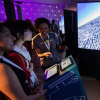
Cyber Threat Predictions for 2016 and Privacy Protection Tips The growing proliferation of digital dust is one of the key findings from the 2016 Emerging Cyber Threats Report issued annually by the Georgia Tech Information Security Center and Research Institute. |
|
Inspiring Girls to Code: Role Models from Star Wars and CodeGirl Where are the strong female role models that will inspire girls to embark on a technology career path? How can we make more young girls see that taking STEM classes can lead to important—and cool—professions? Several programs aim to answer the challenge. |

|
What Kind of Gamer Are You? A new project called the Game and Mind Research (GAMR) is designed to explore if how someone performs in virtual worlds such as video games corresponds to their cognitive traits and behavior in everyday life. |

|
NASA’s Technology Patents Spin Off to Startups The government is offering startup companies interested in commercial applications of NASA technology the opportunity to license patented NASA technology with no up front payment. Access to intellectual property rights of the full NASA portfolio of active patents and patents pending is available. |

|
Play Biofeedback Video Games to Learn to Chill Breathing techniques, meditation, and yoga are all ways people use to cope with stress. But instead of going to your happy place, how about learning to chill by kicking back and playing video games? A first-person biofeedback game helps players practice techniques to manage stress and control anxiety. |

|
Back to School: Cyber Safety Resources Back to school means back to homework, and more and more kids are likely to receive and submit their homework assignments online. Good or bad, today’s kids and their parents depend on the Internet, so laying down some cyber safety ground rules is important. |
|
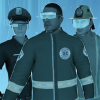
Internet of Things Standards: Critical for First Responders The Internet of Things is hyped as smart technology, with sensors capable of gathering and exchanging data with other devices that should help make our lives easier. The Department of Homeland Security is hoping IoT technology can be smart enough to make it easier for first responders to save lives. |
|
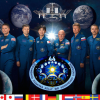
NASA Challenge: Design a Smartwatch App Interface for AstronautsWhat if whenever astronauts on the International Space Station check their smartwatch, the interface they depend on was designed by you? As part of NASA’s effort to use crowdsourcing for new technologies, there’s a new NASA Challenge: design a smartwatch app interface for astronauts. |

|
Can Google Glass Help Those with Autism? Brain Power, a Cambridge start-up, is attempting to use Google Glass to help those on the autism spectrum who may have difficulty learning and interacting, including social interactions, speech delays, learning to control certain behaviors, and help with recognizing and forming abstract groupings. |
|
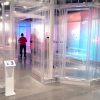
Retail Shoppers Experience Internet of ThingsAmong the latest and largest companies to hop on the Internet of Things fast train, Target announced the opening of the 3,500 square-foot Target “Open House” in San Francisco’s Metreon shopping center to demonstrate how everyday devices connected to the Internet can make life better for consumers. |
|
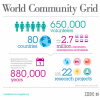
Volunteer While You Sleep: Computing for Clean Water What happens when thousands of volunteers join together to donate their unused computing power for humanitarian research? Hopefully, through the Computing for Clean Water project, access to clean water is closer to reality for nearly one billion people around the world. |
|
New Biometric Security with 3D Fingerprint ScansResearchers at the Berkeley Sensor and Actuator Center are working on a security solution that’s similar to medical ultrasound imaging. The technology is a tiny ultrasonic fingerprint sensor that can measure a 3D image of your finger’s surface, along with a shallow layer of tissue underneath. |

|
Take a Look: Google’s Artificial Neural Network Thinks ArtGoogle posted an update about their AI research for image classification and speech recognition, including artificial neural networks (ANNs). While it’s still difficult to pinpoint what’s going to work and what isn’t, there’s an intriguing byproduct—artistic imagery that Google calls "Inceptionism." |

|
Jaguar Researchers Monitor Distracted Driving Via BrainwavesReducing distracted driving through sensors that monitor brain waves and driver concentration could ultimately end up saving more lives. Researchers at English automotive company Jaguar Land Rover are working on this technology in hopes that it will reduce accidents. |
|
National Maker Faire: Celebrating Making and the Kitchen Sink Piano The White House kicked off the official “Week of Making,” June 12-18 with the National Maker Faire at the University of the District of Columbia. 3D printers, laser cutters, open source, easy-to-use design software, and desktop machine tools are today’s poster board and markers. |
|
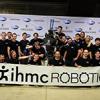
And the Winner Is: DARPA Robotics Challenge 2015Inspired by the Fukushima Daiichi nuclear disaster, the 2015 DARPA Robotics Challenge tasked teams with designing robots that could stand in for first responders in highly dangerous situations. |

|
Google Impact Challenge Awards Take on DisabilitiesGoogle has launched an Impact Challenge with a focus on helping people with disabilities. Grant funding of approximately $20 million will go to nonprofit organizations using emerging technologies to help create a more accessible world for people with disabilities. |

|
Tactics That Boost Crowdfunding Donations, from Stanford ResearchWhether it’s for your own startup or a cause near and dear to your heart, Stanford computer scientists analyzed how crowdfunding websites can use data science insight to increase donations. The researchers analyzed online donations collected from 470,000 people who donated between 2009 and 2014. |

|
Daimler’s Self-Driving Truck Licensed to DriveHow do you feel about sharing the road with self-driving long-haul semi-trucks? The first licensed autonomous commercial truck hit the road on an open public highway in NV. In a staged nighttime production, Daimler Trucks’ Freightliner Inspiration drove on top of the Hoover Dam. |

|
NASA FINDER Technology Discovers Life in Nepal DisasterTo add to the list of cool technology that’s come from NASA's research, here’s a big one—a search and rescue device that detected the heartbeat of four people trapped beneath 10 feet of rubble in the Nepal earthquake disaster so rescuers could reach them. |

|
High-Tech Bee Hives and the IoT, Sweet! The Internet of Things is getting smarter, integrating circuits and sensors into so much more of our lives that it’s predicted 20+ billion devices will be running the IoT by 2020. Besides smarter thermostats and watches, hopefully there will be devices that help save our planet—including our bees. |

|
Latest Atomic Clock Does More Than Keep TimeLast year, researchers introduced the NIST-F2 atomic clock, the world's most accurate time standard. This year, the NIST announced the world’s record-setting atomic clock was modified to be more than three times as precise and set a new record for clock stability. |

|
Dropbox Joins Bug Bounty ProgramsWith security experts predicting that cyber attacks will not only continue, but escalate, more companies are turning to bug bounty programs to supplement their in-house security initiatives. Dropbox is crowdsourcing security and has announced their new bug bounty program administered by HackerOne. |

|
Google's Online Art Collection Adds 3D ViewingIn 2011 the Google Cultural Institute launched the Art Project, an online portal to high-resolution images of art found in major museums. As part of its latest addition, hundreds of objects from six prominent museums have been scanned in 3D and are now available to study online—in three dimensions. |

|
How Important Is Timing for the IoT?The IoT is projected to connect just about everything, from everywhere—and a new report produced by the U.S. National Institute of Standards and Technology, along with researchers in academia and industry, warns that a lack of effective timing signals could hamper future development of the IoT. |

|
NASA Wants You to Join the Asteroid HuntersIf you’re interested in joining the ranks of asteroid hunters—and have your own telescope—NASA has an app for you. NASA announced new desktop software, developed in partnership with the asteroid mining company Planetary Resources, that analyzes images taken by telescope for potential asteroids. |

|
Google Loon Floating Toward Global Internet Access Google announced earlier this month that Project Loon—a plan to provide wireless connectivity via a network of high-altitude balloons floating in the stratosphere using only the wind for steering—is making progress. The project’s longest duration balloon was airborne for just over six months. |
|
What about STEM to STEAM?If you have kids in school anywhere from pre-kindergarten through grade twelve, by now you’re probably very familiar with STEM (science, technology, engineering, and math). STEAM advocates adding “Art + Design” to the equation, thus transforming STEM into STEAM. |

|
Help Wanted: Linux ProsThe growing number of new Linux-based systems and products, including open source cloud platforms and products like Tesla automobiles, means the forecast for the Linux job market is bright, according to a report produced by the Linux Foundation and Dice, a career site for technology professionals. |

|
The New Me Generation: Millions of MillennialsThis year, the number of self-centered millennials is projected to finally overtake the self-centered baby boomers. As customers, employees, and contract workers, the sheer number of millennials makes them a force to pay attention to as they approach their prime spending years. |

|
Barbie Says Hello to the IoT: Perfect Match or No?Has the Internet of Things gone too far? Say “Hello, Barbie” to the first Wi-Fi connected doll. This new Barbie incorporates ToyTalk's speech recognition platform, and with Wi-Fi capabilities, her content is stored in the cloud. She also has the ability to recognize, respond, and remember. |
|
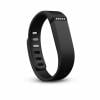
FDA Won’t Regulate “Low Risk” Medical DevicesIt’s expected that a product such as a left ventricular assist device that helps maintain the pumping ability of a heart comes under the scrutiny of the FDA. But should wearables for healthcare that simply record heart rates and sleep cycles be regulated as medical devices? |

|
Announcing Raspberry Pi 2The next-generation Raspberry Pi 2 is now available, and when the big announcement was recently made, the website buckled with over one million more requests than it usually handles, according to the Raspberry Pi Foundation. |
|
FTC Says Internet of Things Needs Security SafeguardsBased on input from technology, academic, and industry leaders—as well as comments from consumer advocates and the general public—the Federal Trade Commission released a report on the Internet of Things with privacy and security steps that businesses should take. |

|
Instead of Texting, Send a HologramAt the recent Microsoft’s Windows 10 event, one of the more intriguing technology announcements was a head-mounted holographic computer: Microsoft HoloLens. According to Microsoft, the headset will let the wearer blend the digital world with the real world to conceptualize and share ideas. |
|
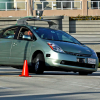
NASA and Nissan Partner to Research Self-Driving VehiclesResearchers from NASA’s Ames Research Center and Nissan North America’s Silicon Valley Research Center have joined forces with a five-year research and development partnership agreement. The first part of the agreement involves algorithms, concepts, and integrated prototypes for self-driving cars. |

|
MIT Proposes to Simplify Web Programming with Ur/WebTag this as an upcoming technology development to watch. A researcher at the Massachusetts Institute of Technology has developed a new open source programming language called Ur/Web that proposes to “take the grunt work out of Web development,” as well as make web applications more secure. |
|
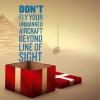
If Santa Brought a Drone, Here’s What You Need to Know Before You FlyWe’re not sure how many unmanned aircraft systems (UAS) actually ended up underneath somebody’s tree—or circling it—but take heed. If you thought you escaped wading through instructions for this gift, think again. There are safety guidelines that need to be followed. |

|
NASA’s Climate Change Contest Looking for Data AppsCan a citizen scientist help solve climate change or help us better understand it? To encourage developers to come up with new ideas, NASA and the USGs, a scientific agency that researches the Earth’s conditions and problems, announced a contest with more than $35,000 in prizes. |
|
FIDO Alliance Brings Password-less Online AuthenticationThe FIDO (Fast IDentity Online) Alliance, an industry consortium for delivering standards for simpler, stronger authentication, has released final 1.0 specifications for an open standard to replace commonly used single factor username and password logins. |

|
Where Can My Teen Learn to Code? The 2014 Google Code-in online contest introduces students ages thirteen to seventeen to open source development. Open from December 1, 2014, to January 19, 2015, students can pick tasks created by twelve open source organizations and work on a wide range of projects and tasks. |

|
Share Your Extra Computing Power ‘Tis the season to #giveback, so why not consider volunteering your unused computing power? Let us count the many ways our computers, smartphones, and tablets can contribute—from detecting life in other galaxies to predicting earthquakes to finding better ways to treat cancer. |
|
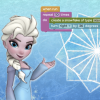
Anna and Elsa Join the Hour of Code 2014Last year, Code.org launched the Hour of Code to introduce simple coding concepts to school-age children. The second annual Hour of Code is almost here, and this year’s tutorial features some serious girl power, starring the Disney Infinity versions of Anna and Elsa from Disney’s movie “Frozen.” |

|
Making Beautiful Music from Big DataPamela Rentz highlights the work of the Atacama Large Millimeter/submillimeter Array, a radio telescope composed of sixty-six high-precision antennas located in northern Chile, and how the big data is being put to use by translating seventy different radio images onto musical discs. |

|
What Are the Top Cyber Threats for 2015? When Americans worry about crime, these days they worry more about their credit card information being hacked than they do about criminals breaking into their home, stealing their car, or even getting mugged. Pamela Rentz highlights the latest information from the Emerging Cyber Threats Report. |
|
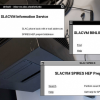
After 25 Years, the Web Has a Museum2014 marks the 25th anniversary of the World Wide Web. The Web has achieved yet another milestone—there’s now a museum. Can you remember what it was like surfing the Web back in the early '90s? To see how far the Web has come, take a look at the oldest US website, dating back to December 1991. |

|
Government Credit Cards Moving to Chip-and-PIN Technology in 2015Beginning in 2015, more US banks, merchants, and the federal government will begin rolling out chip-based cards. Noting that more than 100 million Americans were victims of data breaches in the past year, the White House is leading the move to chip-and-PIN technology with a new executive order. |

|
Drones Now Flying LinuxThe Linux Foundation announced a new open source platform for drones—the Dronecode Project for Unmanned Aerial Vehicles (UAVs). Possible deployments include environmental and agriculture research, wildlife conservation, search and rescue, and movie and TV production. |
|
Georgia Tech Researchers Use Google Glass to Help Hearing-ImpairedWhat if there were a way that a hard-of-hearing person wearing Google Glass could get real-time closed captioning to assist with everyday conversations? Researchers at Georgia Tech have created speech-to-text software for Google Glass that uses a smartphone to capture a conversation. |
|
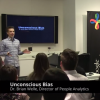
What Companies Can Learn from Google’s Workplace Bias TrainingGoogle is one of many tech companies called out for a lack of diversity in their workforce. To change their company mindset, Google is endeavoring to help employees change their unconscious biases. Pamela Rentz highlights what others can learn from Google's workplace bias training. |

|
Study Tests Activity Tracking App to Detect DepressionSome of the most popular apps are the health and fitness ones. What if changes in activity level could flag overlooked symptoms of depression? Researchers at Dartmouth College hope that tracking daily physical activities can be good for your mental health, as well as your fitness. |

|
FBI’s New Biometric ID System Is a GoThe government’s expanded biometric identification system is officially at full operational capability. The FBI took a phased multi-year approach to replace the previous automated fingerprint ID system with the new NGI program’s technology capabilities that go way beyond matching fingerprints. |

|
New NASA Laser Probe Will 3D Map Carbon in Earth’s ForestsScientists have long wrestled with the question of how to quantify the impact of deforestation. They are hoping new technology being developed for the International Space Station will provide valuable hard data about the impact trees have on carbon levels in the atmosphere. |

|
Finger Vein Biometric Authentication Comes to BankingBarclays, a global banking company based in London, has announced that next year the bank will begin offering its corporate banking customers a new biometric security technology that uses finger vein authentication, eliminating the need for PINs and passcodes. |
|
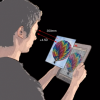
Watch for It: Vision-Correcting DisplaysResearchers at the MIT Media Laboratory and UC Berkeley are developing a vision-correcting screen that automatically corrects for vision defects. The idea is that eventually you’ll be able to clip the display onto your phone, tablet, laptop, or GPS dashboard display in your car—no glasses required. |
|
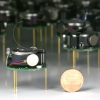
Robots Roundup: Flash Mobs, Room Service, and HitchhikersA long time ago in a galaxy far, far away... R2-D2, the most beloved robot in the Star Wars universe, made us heart robots. Although today's robots can’t match R2-D2’s charisma, they are performing some pretty amazing feats. Pamela Rentz looks at some of the latest robotics projects. |
|
Will IBM’s Brain-Like Chip Bring Cognitive Computing Closer?Scientists at IBM are working on a new cognitive computer chip likened to right–brain, sensory pattern-recognizing learning models. Known as TrueNorth, this neurosynaptic computer chip is an event-driven microprocessor with supercomputer capabilities that’s roughly the size of a postage stamp. |

|
hitchBOT, the Hitchhiking Robot—Where Is He Now?If you’re traveling across Canada and see a strangely cute little hitchhiker with a face made from LED lights, a plastic beer pail torso, arms and legs that look like pool noodles, and is wearing a garbage can hat, it’s only hitchBOT, the Hitchhiking Robot, looking for a ride. |
|
Thinking about Going Back to School? Georgia Tech Offers Online MS CSThe Georgia Institute of Technology’s College of Computing rolled out the first accredited Online Master of Science in Computer Science program in spring 2014. Offered in cooperation with AT&T and Udacity, students can earn a degree through the massive open online courses (MOOCs) delivery format. |

|
Google’s Project Zero Recruits Bug Hunters to Protect the InternetCalling Internet security a “top priority,” Google announced Project Zero, its new security research team dedicated solely to ferreting out potential targeted attacks—such as the Heartbleed bug—that can affect a significant number of people. |

|
Martha Stewart Has a Drone: Is This a Good Thing?Martha Stewart is the acknowledged first lady when it comes to the home and lifestyle industry. And now it turns out she’s no slouch when it comes to emerging technology either. Among the latest Martha “Likes” is a DJI Phantom, her new flying camera drone. Is this a good thing? |

|
Can Entrepreneur Barbie Help Change Tech Culture?The glass ceiling may have cracks in some sectors, but it’s still holding strong in the technology industry. Several tech giants recently released workforce demographics that show striking similarities. Pamela Rentz highlights some initiatives designed to inspire girls to code and build technology. |
|
The Maker Movement Moves to the White HouseIs the US still a nation of “makers” instead of merely passive consumers? The White House likes to think so. Proclaiming June 18 a “National Day of Making,” the White House hosted its first Maker Faire and, in a way, authenticated the growing Maker Movement with the government’s stamp of approval. |
|
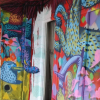
Graffiti Goes Digital with Google’s Street Art ProjectThe Paris-based Google Cultural Institute, essentially a virtual museum that curates and preserves cultural content for online audiences, has unveiled its latest endeavor: Google’s Street Art Project—an ongoing collection of iconic art from streets across the globe. |

|
Hurricane Season 2014: Using Technology to Stay SafeLast year, the National Weather Service unveiled two new weather supercomputers designed to more accurately project storm intensity and structure. For the 2014 hurricane season, NOAA is rolling out a Potential Storm Surge Flooding map to show coastal areas where storm surge could occur. |
|
Can MIT's RoboWall Make a Small House or Apartment Seem Bigger?The MIT Media Lab’s Changing Places research group created a prototype of “The CityHome,” an ultra-efficient, responsive small home/apartment that is only 840 square feet and has hardware and software that lets you customize your living space to function like an area two or three times larger. |
|
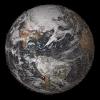
Best Selfie Ever: NASA's Global Earth Day NASA had an ambitious event this year to create a “global selfie,” a crowd-sourced mosaic image that would resemble Earth as it appeared from space on Earth Day—and more than 50,000 people responded. The result is a zoomable 3.2 gigapixel image built with more than 36,000 individual images. |

|
Major US Retailers Set Up Cyber Intelligence Sharing CenterIn hopes of minimizing the risk and financial fallout from another disastrous cyber attack, some of the top retailers along with the Retail Industry Leaders Association have announced they are launching a clearinghouse: the Retail Cyber Intelligence Sharing Center (R-CISC). |
|
Google to Startups: Move Out of That Garage to a Tech HubGoogle has launched a Tech Hub Network partnership where today’s startups can move beyond a garage operation to a co-working space with access to technology, mentors, desks, and some atmosphere. Pamela Rentz profiles this growing effort to support startups and entrepreneurs. |

|
When Does the White House Disclose Cyber Security Vulnerabilities?Does the White House disclose cyber security vulnerabilities when they first know about them? The Heartbleed security bug that recently dominated the headlines has prompted the White House to shed some light on its policies regarding disclosing cyber vulnerabilities to the public. |
|
Linux Foundation Announces Initiative to Avert the Next HeartbleedIn response to the Heartbleed OpenSSL security crisis, one of the Internet’s biggest security breaches, The Linux Foundation announced the Core Infrastructure Initiative (CII), a multimillion-dollar collaborative project to fund and support what are deemed critical open source projects. |
|
Google’s Project Ara Phone: Will You Accept the Challenge?What if there were a modular smartphone, an endoskeleton with interchangeable parts you could customize to your needs? Google's Advanced Technology and Projects group is working on a concept—Project Ara—that will enable users to configure their own phone according to their personal preferences. |
|
NASA Releases Software Code for Rockets to Robotics and MoreOver the years, NASA’s aerospace research and development has launched many well-known technologies that we use here on Earth, as well as in space. NASA recently released an online software catalog listing more than a thousand computer codes that can be accessed and adopted at no charge. |
|
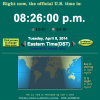
What Time Is It? Check the New NIST-F2 Atomic ClockThe U.S. Department of Commerce's National Institute of Standards and Technology (NIST) recently introduced the newest atomic clock, called NIST-F2, as a US civilian time and frequency standard. The NIST-F2 U.S. atomic clock is now the world's most accurate time standard. |

|
Can We Fight Climate Change with Maps and Apps?The White House recently announced the Climate Data Initiative, and the first batch of data provided is on coastal flooding and the sea level rise. The hope is that by making the climate data available, the “maps and apps” developed may reduce the risks associated with extreme weather. |
|
Will You Be Putting On Google’s Android Wear?Google has announced Android Wear, a project that extends the Android operating system to wearable technology devices beyond Google Glass. The first project will be smartwatches, a tech device you wear on your wrist that does much more than tell you what time it is. Will you give it a try? |

|
Happy Pi Day! In an effort to call attention to the importance of improving mathematics and science education, Congress made National Pi Day an official US holiday in 2009, and Pi Day is celebrated worldwide on March 14 (3.14). Pamela Rentz highlights the only holiday that honors a number. |

|
Time to Learn Linux? Try (Free) Online edXThe Linux Foundation has announced it is building a Massive Open Online Course (MOOC) program with edX, the nonprofit online learning platform launched in 2012 by Harvard University and MIT. "Introduction to Linux will be the first class available as a MOOC and will be free to everyone, everywhere." |

|
Rolls-Royce of Drones May Be Unmanned Cargo ShipsRolls-Royce Holdings is a well-known provider, designer, and manufacturer of power systems for air, sea, and land applications. These days, Rolls-Royce is in the early stages of exploring a transportation technology concept for the maritime market: unmanned cargo freighters or drone ships. |
|
What’s Next? Teach Your Preschooler to Code!The teach-kids-to-code movement appears to be gaining traction. Now preschoolers can become one of the cool kids and learn coding concepts in a fun way—without sitting in front of a screen. A board game that promises to “teach your kids to code before they learn to read” is being released soon. |
|
Google Issues First Call for DevArtistsLike beauty, isn’t art in the eye of the beholder? It really should come as no surprise that Google views coding as the new artistic frontier. Google has issued a Call for Artists for a new type of art created with code: DevArt. |
|
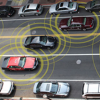
Car Talk Technology Moving CloserSafety belts and air bags have reduced driving fatalities, made cars safer, and saved lives. Now, the federal government believes accidents can be further reduced if cars are able to “talk” with each other through vehicle-to-vehicle (V2V) communication technology. |

|
Google Glass Now Accepting Your Vision PrescriptionWith a public launch of Google Glass planned for later in the year, its widespread adoption may have gotten a step closer. Google has announced the availability of frames in more fashionable styles, optional attachments for detachable sunglasses, and the much-requested prescription lenses. |
|
Ants in Space? That's a Good ThingThe orbiting International Space Station just got 600 or so new visitors—common black ants. They’ll be taking part in a new research project to help determine how they adjust to microgravity conditions, and mapping their behavior could lead to more refined algorithms for solving complex problems. |
|
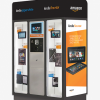
Vending Machines Serve Up Kindles and ArtAmazon recently installed a standalone automated vending machine—the Kindle Kiosk—at the McCarran International Airport in Las Vegas during the International CES. Pamela Rentz highlights the latest in automated retail machines—including the Kindle Kiosk, Macy's e-Spot, and the Art-o-mat. |
|
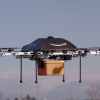
Will There Be a Silicon Valley of Drones? FAA OKs Drone Testing SitesIntegrating unmanned aircraft systems into US airspace and creating standards for flying them safely is a complex process. The launch of commercial drones got one step closer when the FAA recently announced winners of what’s been called “the competition to become the Silicon Valley of drones.” |
|
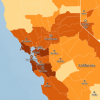
Census Explorer Maps a Street View of Your Neighborhood’s DemographicsThe US Census Bureau has released Census Explorer, a new interactive tool that lets you extrapolate data and create a street view map of demographics for your neighborhood, city, and state, comparing it against other areas of the country. |

|
What Companies—and You—Can Learn from LEGOsWhen it comes to building a base of loyal and passionate fans of a product, it’s hard to match the company that makes a toy that’s been around since 1949: the LEGO brick. Companies should pay attention to this gold standard for fan-based innovation and whose customers generate tons of product buzz. |

|
The Downside of Green Power: Eagle DeathsThe growth of wind farm deployments in the United States has been second only to gas-powered electrical plants in the past six years. Using alternative energy sources is a popular concept, but the growing use of wind farms has a downside—the killing of eagles and other wildlife. |
|
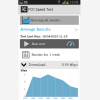
FCC Wants You to Track Mobile Network Speed with Free AppDo you suspect the advertised speeds your mobile provider hypes don’t measure up to actual performance? If you have an inquiring mind and really want to know for sure, the Federal Communications Commission has a free app for you to use. |
|
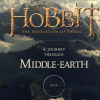
A Google Chrome View of Middle-earthGoogle announced its latest Chrome Experiment—“Journey through Middle-earth.” The characters and locations from the movie The Hobbit: The Desolation of Smaug can be explored in immersive 3-D graphical representative of Tolkien’s maps of Middle-earth. |

|
Georgia Tech Issues Report on Emerging Cyber Threats for 2014At the annual Georgia Tech Cyber Security Summit, cloud data storage, the Internet of Things, and mobile devices were listed as emerging cyber threats for 2014. Pamela Rentz highlights this and other news from the conference. |

|
Great Marching Band Halftime Show? There’s an App for ThatAt Ohio State University, where Buckeye fans stay glued to their seats at halftime, the OSU Marching Band stepped it up big time this year thanks to two students who suggested using iPads to reduce the massive amount of paper used each week to diagram Saturday’s on-field performance. |
|
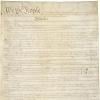
White House Wants Beta Testers for “We the People” Petition WebsiteThe White House is looking for a few good beta testers for We the People, an online platform that lets people generate and sign petitions requesting the government take action on an issue. Anyone interested in participating in the beta period for the We the People API are invited to apply online. |

|
Will Google’s Flu Trends Be Better This Year?Unfortunately, it’s that time of year when you may feel like you’re coming down with the flu. If so, what do you do first? Call the doctor? There’s a good chance you—and millions of others—plugs “flu symptoms” into their web browser. Pamela Rentz looks at Google Flu Trends and its accuracy. |

|
Marblar Matches Ivory Tower Research and EntrepreneursDo you have the big idea for the next big thing? What’s holding you back? If it’s the research and development, there’s now a chance your idea might make it to market—and potentially earn royalties—by using previously patented technology. |
|
Are Your Kids Coding Yet? Sign Them Up for the Hour of CodeCode.org is launching a program called the "Hour of Code"—a nationwide effort to introduce computer science to ten million students, coinciding with Computer Science Education Week in December 2013. Microsoft, Google, Apple, Amazon, and more than one hundred other partners are participating. |
|
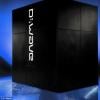
A First Look inside the Google/NASA Quantum Computer LabGoogle has announced a partnership with NASA and the Universities Space Research Association to launch the Quantum Artificial Intelligence Lab. The organizations are to conduct collaborative research using a 512-qubit D-Wave Two quantum computer from D-Wave Systems. |

|
Yahoo! Ups Bug Bounties after T-Shirt GateJoining the ranks of Google, Facebook, Microsoft, Mozilla, and others, Yahoo! will now offer payments or so-called bounties to developers and security researchers for finding security vulnerabilities in their software and applications. This move is not without some controversy. |

|
New FINDER Technology Can Detect a Heartbeat Buried in RubbleNew radar-based technology developed by NASA’s Jet Propulsion Laboratory and the Department of Homeland Security's Science and Technology Directorate has the potential to assist rescue workers to pinpoint the human heartbeat of victims buried in rubble—which can potentially save a lot of lives. |

|
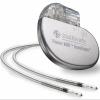
Heart-to-Heart Security Proposed for Implanted Medical DevicesLike any wireless device that can be accessed remotely, implanted medical devices are vulnerable to hacking. The FDA acknowledged that embedded medical devices are a potential target for cyber security breaches and issued a warning to device manufacturers. Pamela Rentz looks at a proposed solution. |
|
NSF Awards $25 Million for Center for Brains, Minds, and MachinesHow does the human brain actually work? To find out, the National Science Foundation (NSF) recently awarded a $25 million grant over five years to the Massachusetts Institute of Technology to establish the Center for Brains, Minds and Machines (CBMM). |

|
Do You Want Facebook’s Facial Recognition to Remember You?When it comes to the growing use of facial recognition technology, some prefer that their face be forgotten rather than be digitally recognized, remembered, and used in random applications that they may not be aware of. Pamela Rentz looks at Facebook's use of facial recognition technology. |

|
US Government Says Android Mobile OS Is Top Malware TargetWhen it comes to malware attacks, there is one mobile operating system—Android—that walks away with the dubious honor of being recognized as the number one target by two US security agencies. Pamela Rentz provides details about the report released by the DHS and the FBI. |

|
Five Things BOINC Lets You Do with a SmartphoneThe market lifespan of a cell phone is becoming roughly equivalent to last season’s outfit, which means you may have a not-so-old smartphone just sitting around. BOINC allows smartphone users to contribute their phone's processing power to scientific research when charging their phones. |

|
Google Raises the Stakes for Bug BountiesTo keep security bug reports coming in for their bug bounty programs, Google is willing to write bigger checks. The company announced that it is raising security rewards—up to five times higher in some cases—for its Chromium program. Pamela Rentz highlights the recent bug bounty program changes. |

|
Michigan’s Auto Tech Hub Is Speeding Up The gauge on the Motor City may be hovering perilously close to empty, but within commuting distance of Detroit, there’s a high-tech automotive hub growing under the radar in nearby Ann Arbor. Pamela Rentz looks at two automotive technology and research centers in Ann Arbor. |

|
New Weather Supercomputers Ready for 2013 Hurricane SeasonOn July 25, 2013, the National Weather Service, which is part of NOAA, flipped the switch on two new weather supercomputers that are running an upgraded hurricane research and forecasting model designed to more accurately project storm intensity and structure. |

|
The First Connected Child's Car Seat Has ArrivedTOMY International has introduced the first smartphone-synched child's car seat with an integrated monitoring system designed to alert parents of unsafe and potentially life-threatening situations—unbuckling while the car is in motion, forgetting the child in the car, and other safety issues. |

|
No Boys Allowed: A Women-Only Ruby on Rails Boot Camp There’s a general consensus among those hiring in tech hubs that there aren’t enough qualified computer programmers, especially when it comes to Ruby on Rails. And when it comes to female coders, the candidate pool shrinks even more. Pamela Rentz profiles a women-only Ruby on Rails boot camp. |

|
Is Connecting Your Mobile Phone to Your Car a Smart Idea?Deals among automakers, wireless carriers, and tech companies are fueling a race to make new cars smarter through wireless connectivity. Connected cars are a big part of the machine-to-machine space being targeted by mobile providers. Pamela Rentz looks at the pros and cons of connected cars. |
|
Expanded Children's Online Privacy Protection Rules Take EffectPamela Rentz summarizes the U.S. Federal Trade Commission’s revised Children’s Online Privacy Protection Act Rule for app developers and operators of websites and online services that may be viewed by children under the age of thirteen. The protection act rule took effect June 1, 2013. |

|
Facebook Security Bug Shares Six Million Users’ Contact InfoPamela Rentz details the security flaw that may have allowed approximately six million Facebook users’ contact information (email addresses or phone numbers) to be accessed by people who either had some contact information about that user or a connection to them. |
|
FDA Urges Medical Device Makers and Hospitals to Increase SecurityCybersecurity incidents reported involving some medical devices have prompted the U.S. Food and Drug Administration to issue stern warnings to medical device manufacturers and health care facilities to ramp up safeguards. Pamela Rentz highlights the latest FDA recommendations. |

|
White House Expands Battle against High-Tech Patent Trolls Pamela Rentz profiles the latest move by the White House in the battle against patent assertion entities, or the so-called patent trolls. The President announced five executive actions and recommended legislative measures for Congress. |

|
Sears: Shop Everything from Appliances and Tools to Data Storage Pamela Rentz profiles the Sears Holdings Corp.'s newly formed business unit—Ubiquity Critical Environments. Ubiquity’s charter is to find a new—and hopefully profitable—use for the company’s bloated real estate portfolio of Sears and Kmart stores that are sitting empty or projected to close. |
|
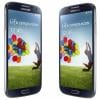
Develop Apps for Samsung Galaxy S4 and Win BigPamela Rentz profiles the Samsung Smart App Challenge, in which developers are encouraged to build cool apps for Samsung’s Galaxy S4 series of devices, with up to $800,000 going to the top ten winning entries. |

|
SAP Hiring Technology Workers with Autism Spectrum DisordersGerman enterprise software company SAP’s new recruiting initiative will focus on enriching its pool of software testers, programmers, and data quality assurance specialists by hiring more applicants with autism spectrum disorders. |

|
Earth's Startling Changes Shown via Timelapse by GoogleGoogle worked with the US Geological Survey, NASA, and TIME magazine to compile and release more than thirty years’ worth of images of Earth taken from space—using Google Earth Engine technology—into an interactive time-lapse experience. |

|
What the Government's New Open Data Policy Means for DevelopersOn May 9, 2013, President Obama signed the Open Data Executive Order, which mandates that open government data is now the standard—not the exception. The public will be able to access government datasets rendered in open, machine-readable formats and, when appropriate, expose data via APIs. |

|
Hiring? Uncle Sam May Have the Ideal Candidate for YouPamela Rentz looks at the newly created IT Training and Certification Partnership, which is a public-private partnership that aims to help service men and women leverage their previous military IT expertise in the civilian job market. |
|
Bug Bounty Hunters Can Earn Big RewardsToday’s bug bounty hunters can reap big rewards for tracking down software bugs. So far in 2013, Google has paid nearly $188,000 in bounties and prizes for Chrome and Chrome OS. Pamela Rentz looks at the success of Google's bug bounty program and the popularity of offering rewards for finding bugs. |

|
App Developers Needed in the Digital Public Library of AmericaThe vision of the Digital Public Library of America (DPLA) is to digitize America’s cultural heritage via their online portal containing metadata records to millions of archived materials. The DPLA has opened its virtual doors—with a special plea to app developers to work in the App Library section. |
|
What Google's Move to Blink Means for Web DevelopersSome web developers felt a disturbance in the force when Google recently announced that the Chrome browser will be moving on within the coming months from WebKit to Blink, its new open source rendering engine that’s based on WebKit. Pamela Rentz looks at what this move will mean for web developers. |
|
Help Linux Newbies—Join the 100 Linux Tutorials Video CampaignAs Linux adoption grows, so does the need for developers. The Linux Foundation is asking for your help to build a collective Linux knowledge base of videos so that developers and IT managers new to Linux have the basic information they need to start contributing and benefiting sooner. |

|
Is Bitcoin Digital Currency REAL Money? Introduced in 2009, Bitcoins are termed open source crypto-currency. Bitcoins are not backed by a government, central bank, or the FDIC—and when shares of the Bitcoin recently jumped over the $100 mark, many people started asking a lot of questions. |

|
Is the FDA Ready to Regulate Mobile Medical Apps?With the growing adoption of mobile technologies for health care delivery, the FDA has proposed regulating mobile medical applications. Even though the FDA issued preliminary guidance in 2001, final guidance has not yet been delivered. |

|
The Real Cost of Free AppsWhile common sense tells us not to allow random strangers unrestricted access to our homes, that’s what we may inadvertently be doing when we download those free mobile apps. Pamela Rentz looks at the real cost of free apps—your personal data. |

|
Everyday Rituals Can Bring Creativity and ProductivityIn our neverending quest for innovation when developing technology, we often overlook the launch pad that everyday rituals provide. Rituals get an underserved bad rap. Consider that it’s not a bad thing when you make a habit of whatever ritual prompts your creativity—and productivity. |

|
Need for Cyber Security Exposed by Zombie Apocalypse Pamela Rentz details the Executive Order by President Obama that strengthens the government’s partnership with the private sector to address cyber security threats through new information sharing programs, providing both classified and unclassified threat and attack information to US companies. |

|
FTC Stresses “Privacy by Design” for Mobile App DevelopersFor those who develop mobile apps, the federal government wants to make sure everyone is aware that privacy by design—privacy and data protection for consumers—should be built into every stage of the development cycle. Pamela Rentz details the latest privacy efforts by the Federal Trade Commission. |
|
Biometrics Recognition Technology Goes to School The South Dakota School of Mines & Technology is participating in a pilot biometrics program that makes the school the first ever biometrics campus. Pamela Rentz highlights the pilot program, which allows faculty and students to pay for goods by scanning their finger. |

|
First National Day of Civic Hacking Announced Merging the notion of community volunteer initiatives with a hackathon, the White House Office of Science Technology and Policy recently announced the first National Day of Civic Hacking. Mark your calendar and be prepared to get civic-hacking on June 1–2, 2013. |
|
Introducing Apps for Apes Tablet popularity is skyrocketing, and many users are, well, captivated. At the Smithsonian's National Zoo, orangutans are going high-tech, courtesy of Apps for Apes and Orangutan Outreach, a non-profit organization with a mission to save endangered orangutans and protect their rainforest home. |
|
Hunt for the New "Red October"Pamela Rentz looks at a report, published by the Russian Internet security firm Kaspersky Lab, which details a cyber espionage network that has been infiltrating computer networks at various international diplomatic, governmental, and scientific research organizations since 2007. |

|
Have a Need for Speed? Move to a Gigabit Internet City Do you pine for the ultrafast Internet service that fiber-to-the-X promises? Instead of DSL service or cable connections, imagine not only your development efforts but online music, movies, and games streaming more than one hundred times faster than the speed of broadband. It's in the Gig City. |

|
I Can See You Now: Google Glass PreviewGoogle recently launched the new Google Glass website and unveiled more details about what the wearable headset's user can do. Pamela Rentz highlights what the unsurprisingly simple accessory can do and what the reaction to Google Glass has been so far. |
|
New First-to-File Patent Law Begins March 16, 2013The long-awaited switch to the “first-to-file” system in the United States patent law goes into effect soon. By moving away from the current “first-to-invent” rule, the United States Patent and Trademark Office will follow the patent law practices of most other countries. |
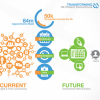
|
VA Announces $9 Million Open Source Development ContestThe Department of Veterans Affairs wants to improve the system veterans currently use to schedule appointments in the VA's nationwide health program by moving to an open source system. To inspire more innovative solutions, the VA has launched the VA Medical Appointment Scheduling System Contest. |

|
US Patent Office Invites Public to Help Improve Software PatentsIn an effort to improve the quality of software-related patents, the United States Patent and Trademark Office issued an invitation for the software community to join a software partnership and share feedback, experiences, and insights on ways to improve the quality of software patents. |
|
FCC Launches Security Checker Tool for SmartphonesWorried that consumers aren’t doing enough to ward against possible security threats on their smartphones, the FCC and other government and private entities are trying to get consumers to take steps. Pamela Rentz looks at the FCC's new Smartphone Security Checker tool and why we should be using it. |

|
Gamification Can Work—If Done RightGamification is about applying game-design thinking to non-game applications to make them more fun and engaging. Pamela Rentz profiles some gamification projects that are getting it done right, and she highlights some guidelines for making gamification projects successful. |

|
Connected Cars Are Driving InnovationConnected cars are equipped with Internet access and infotainment services, along with telematics and technologies that enable functionality such as automatic notification of crashes, speeding, potential hazards, and other new features. Pamela Rentz looks at the latest connected car innovations. |

|
Patent Assertion Entities: Trolls or Angels?A patent assertion entity (PAE) is a firm that acquires and licenses patents with no intention of manufacturing or marketing the invention itself. Is the bashing of PAEs justified because they’re "patent trolls" or misguided since they’re "angels" for inventors and investors alike? |

|
Georgia Tech Issues Cyber Threat Forecast for 2013New and increasingly sophisticated means to capture and exploit user data, escalating battles over the control of online information, and continuous threats to the US supply chain from global sources are real possibilities according to the Georgia Tech Emerging Cyber Threats Report for 2013. |

|
James Bond Drives 3D Aston MartinFor the action scenes in the latest James Bond movie Skyfall, British company Propshop Modelmakers used innovative 3D printing technology from Augsburg-based voxeljet to create the three Aston Martin DB5 models that double for the now priceless original vehicle from the 1960s. |
|
TV’s “Lost” Creator Visits MIT Media LabEmmy award-winning film and television writer-producer J.J. Abrams recently gave a talk at the MIT Media Lab on the creative process as he sees it. The Media Lab focuses on research projects at the convergence of technology, multimedia, and design and has created some noteworthy offshoots. |
|
Smartphone Biometric Security Apps: The Eyes May Have ItWhile the amount of personal and professional information stored on smartphones is mind-boggling, many of us neglect to take the time to implement basic security measures. The startup EyeVerify proposes the easiest way to authenticate whoever is accessing the mobile phone is to look her in the eye. |

|
Mobile Health Survey Confirms mHealth Is GrowingThe results of the 2nd Annual HIMSS Mobile Technology Survey were announced at the December 2012 mHealth Summit in Washington, DC. The conclusions are hardly surprising, but they do offer further confirmation of of the growing adoption of mobile health technology. |

|
Welcome to the First “Nonline” Holiday Shopping SeasonGoogle has predicted that 2012 will be the first “nonline” holiday season, where the lines between online and offline shopping will blur. People no longer see a distinct line of separation for pricing, functionality, and promotions between online and offline shopping. |

|
Recruiting Special Ops Code SlingersMalware attacks are a growing concern in government circles—so much so that a recent report suggests that the United States Department of Homeland Security is considering establishing a cyber reserve of computer security experts who could be called upon in the event of a crippling cyber attack. |
|
Here Comes Another Mobile Wallet: Isis Isis—the joint venture of AT&T, T-Mobile, and Verizon—is the latest entrant in the mobile payment market. With a lackluster October 2012 soft launch in Austin, Texas, and Salt Lake City, Utah, is this another sign that the mobile wallet is a cool feature that no one really wants? |

|
See Where the Internet Lives—Tour Google's Data CentersFor the first time ever, Google has allowed a controlled virtual peek into the data centers where the servers are located. In addition to photographs that turn servers into works of art, there's also a street view inside tour of the Google data center in Lenoir, North Carolina. |

|
Did Apple Tick Off the Swiss Railways?The well-known railway clocks found in the train stations throughout Switzerland are regarded as a symbol of the punctuality of Swiss trains and hailed as an icon of elegant design. The Apple iOS 6 clock app for the iPhone, iPad, and iPod Touch looks remarkably similar to the Swiss railway clocks. |
|
Malware VoIP Attack Roundup—Skype and CallcentricRecently, two of the most well-known VoIP providers—Skype and Callcentric—acknowledged problems with their service because of malware attacks. Pamela Rentz details the attacks and what the service providers are doing to resolve the issues. |

|
Starbucks Welcomes Square Wallets In another step toward making the mobile wallet the one consumers ultimately reach for, Starbucks recently announced that customers will be able to use the Square Wallet app to pay with their smartphones at US Starbucks stores beginning in early November. |

|
mHealth—The New Medical Best PracticeThe Federal Communications Commission is putting muscle behind the the government's mHealth (mobile health) push. The goal is that mobile health will be a routine medical best practice within five years. |
|
Bring Your Own Device—Everybody Else Does It!The digital anywhere, anytime, on-any-device workforce means developers and those concerned with enterprise security must navigate increased security risks introduced by personal electronic devices. Because of the potential headaches posed by BYOD, most companies are establishing guidelines. |

|
NASA Seeking StartupsNASA is seeking proposals from startups and small businesses for early-stage technology financing. NASA wants to help provide opportunities to compete for federal research and development awards and to hopefully stimulate eventual commercial launch of the technology. |

|
Is the Mobile Payments Security Problem Solved?Researchers at the University of Alabama at Birmingham announced they have created a verification mechanism using sound to help eliminate security weaknesses of Near Field Communication—a form of radio-frequency identification—to help prevent security vulnerabilities via mobile devices. |

|
Google Goes High Tech at New York Fashion WeekGoogle recently introduced its latest technology product, Google Glass, at New York Fashion Week. The reviews are now in for this wearable computing and augmented reality glasses technology that Google hopes we will be wearing in the form of half-glasses next year. |

|
Is Your Broadband "Blazing Fast"? Many service providers advertise their broadband as being blazing fast, but is it really? The FCC is launching a mobile broadband services testing and measurement program, and they invite you to test the actual speed of your network. |

|
US Air Force Solicits Concepts for CyberwarfareThe US Air Force has issued a request for concept papers focused on cyberspace warfare attack technologies. With a potential total value of the contracts at $10 million USD, this is a sizable shift from talking about cyberdefense to cyberattacks. |

|
Please Turn Off All Portable Electronic Devices?Turning off personal electronic devices during takeoff and landing has long been a source of annoyance for air travelers. The Federal Aviation Administration announced that it is considering whether that policy is really necessary, and they want to know what you think. |
|
NASA Curiosity Mars Rover Software Upgrade a SuccessNASA's Mars rover Curiosity spent its first weekend on Mars upgrading its software. Upgrading the Curiosity’s software after successfully reaching Mars allowed scientists to align the software’s capabilities with the current tasks the rover faces. |

|
Mobile Wallet Fast Becoming Popular Consumer AccessoryBrick and mortar retailers believe quicker and easier is what today’s consumers want and making purchases with a smartphone is the way of the future. Who will be the first to take hold of the mobile payment market? |

|
Malware "Gauss" Aimed at Online Banking in Middle EastRussian security company Kaspersky Labs recently announced the discovery of a new cyber threat called “Gauss” that targets online banking in the Middle East. Likely activated in September 2011, Gauss infections have been recorded more than 2,500 times by Kaspersky's cloud-based security system. |